Navigating the world of loans with a poor credit score can feel like climbing a steep hill with a heavy backpack. Every lender you approach seems to turn you away, and the options that do exist often come with sky-high interest rates and unfavorable terms. But don’t lose hope. Even with bad credit, there are still ways to secure a loan. This guide helps you with practical advice and steps. It also gives insights for making smart financial choices based on your needs.
Understanding Credit Scores and How They Affect Loans
Before diving into loan options, it’s crucial to understand how credit scores work and why they play such a big role in loan approval.
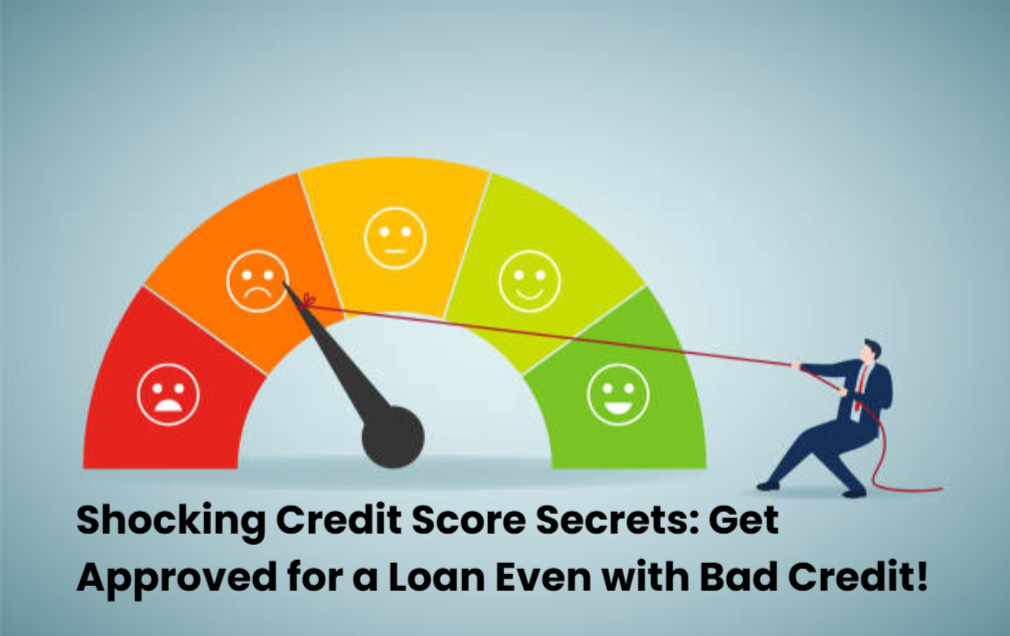
Your credit score is a three-digit number that represents your creditworthiness. It typically ranges from 300 to 850, with the following general breakdown:
- 300-579 – Poor credit
- 580-669 – Fair credit
- 670-739 – Good credit
- 740-799 – Very good credit
- 800-850 – Excellent credit
Lenders use your credit score to assess the risk of lending to you. A high score shows you borrow and repay responsibly. A If your score is in the poor range, lenders may consider you high risk, making it more difficult to secure a loan.
Assessing Your Financial Situation
Before you start applying for loans, take an honest look at your financial situation. Understanding your income, expenses, and existing debts will help you determine how much you can afford to borrow and repay.
- Check Your Credit Report – Request a copy of your credit report from major credit bureaus like Experian, Equifax, or TransUnion. Review it for errors or inaccuracies that might be dragging down your score.
- Calculate Your Debt-to-Income Ratio (DTI) – Lenders look at your DTI to gauge your ability to repay a loan. Calculate it by dividing your total monthly debt payments by your gross monthly income.
- Set a Realistic Budget – Figure out how much you need. Also, know what you can comfortably pay back each month without stressing your finances.
Exploring Loan Options for Bad Credit
If you have poor credit, traditional bank loans may not be your best option. But alternative lenders, credit unions, and special loan products can help you move ahead.
1. Personal Loans from Online Lenders
Many online lenders specialize in loans for individuals with bad credit. They often consider other factors beyond your credit score, such as your employment history and income. Some well-known online lenders include:
- Upstart – Uses AI to assess applications beyond credit scores.
- OneMain Financial – Provides loans for those with lower credit scores.
- Avant – Offers personal loans with flexible repayment terms.
2. Credit Union Loans
Credit unions often have more lenient lending criteria than traditional banks. Because they are member-owned, they may be more willing to work with individuals who have lower credit scores. If you’re a member of a credit union, this should be one of your first options.
3. Peer-to-Peer Lending
Peer-to-peer (P2P) lending platforms connect borrowers directly with individual investors. These platforms skip traditional banks. So, they might offer better terms than regular lenders. Examples include LendingClub and Prosper.
4. Secured Loans
Secured loans require collateral, such as a car, savings account, or other assets. Because the lender has something to repossess if you default, they may be more willing to approve your loan despite poor credit. Common secured loan options include:
- Auto Title Loans – Use your car as collateral.
- Secured Personal Loans – Use cash savings or other assets.
5. Payday Loans and Cash Advances (Last Resort)
Payday loans should only be considered as a last resort. These short-term loans come with extremely high interest rates and fees that can trap borrowers in a cycle of debt.
Improving Your Chances of Loan Approval
If you’re struggling to get approved, consider these strategies to boost your chances:
1. Improve Your Credit Score Before Applying
Even a small improvement in your credit score can make a big difference. Ways to improve your score include:
- Paying off outstanding debts.
- Making on-time payments.
- Keeping old credit accounts open to maintain a longer credit history.
- Disputing inaccuracies on your credit report.
2. Apply with a Co-Signer
A co-signer with good credit can help you qualify for a loan. However, the co-signer is legally responsible for the debt if you fail to repay.
3. Show Proof of Income and Stability
Lenders are more likely to approve your loan if you have a stable job and consistent income. Be prepared to show pay stubs, tax returns, or bank statements.
4. Offer Collateral
If you have assets, offering them as collateral can help you secure better loan terms and lower interest rates.
Managing Your Loan Responsibly
Once you’ve secured a loan, managing it responsibly is crucial to improving your financial health.
- Make Payments on Time – Late payments can further damage your credit.
- Set Up Automatic Payments – Avoid missed payments by automating them.
- Pay More Than the Minimum – If possible, pay more than the minimum amount due to reduce interest costs.
- Avoid Taking on More Debt – Only borrow what you can afford to repay comfortably.
Must read:
- Unlocking Success: How Microfinance Empowers Small Business Owners Worldwide (Ultimate Guide!)
- Bajaj Finance: Unraveling the Magic of Financial Wizardry
- Unlock the Secret to Wealth: How Multi-Family Property Mortgages Can Build Your Fortune
Frequently Asked Questions (FAQs)
Can I get a loan with a credit score of 550?
Yes, but you may face higher interest rates and stricter terms. Consider secured loans or lenders specializing in bad credit loans.
Will applying for a loan hurt my credit score?
Applying for a loan results in a hard inquiry, which may slightly lower your score. However, multiple applications within a short period can have a more significant impact.
What’s the difference between secured and unsecured loans?
Secured loans need collateral, which lowers the lender’s risk. Unsecured loans don’t require this, but they often have higher interest rates.
Can a co-signer help me get approved?
Yes, a co-signer with good credit can improve your approval odds and may help you secure better terms.
How long does it take to improve my credit score?
Credit score improvements depend on your financial actions. Paying bills on time and reducing debt can improve your score within months, but major changes may take years.
Conclusion
Getting a loan with bad credit may not be easy, but it’s not impossible. Know your finances, look into different lending options, and work on your credit. This can boost your chances of getting a loan with good terms. Borrow wisely, pay on time, and focus on boosting your credit. This will help you find better financial options later.
If you approach the process with patience and persistence, you’ll find a lender willing to work with you. Keep pushing forward, and soon enough, you’ll have the financial support you need to move ahead in life.
